Secure Generator Service Guide
Automatic Generators: The Essential Fix for Constant Energy Flow
Backup generators act as an essential defense from electricity outages. They function seamlessly, starting up immediately when power fails. Fueled by various energy sources, they make certain homes and businesses remain operational in times of crisis. Yet, understanding their benefits and features is vital for achieving an informed decision. Which points should be addressed before investing in a generator like this? The next segments discuss these vital considerations.
How Standby Generators Work: How They Work
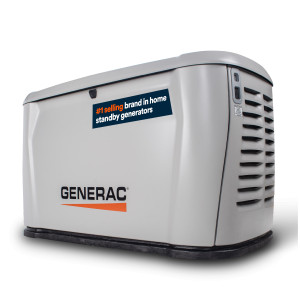
Automatic generators are vital systems that provide automatic backup power during power losses. These units are usually placed outside a home or building, connected to the electrical system and fueled by natural gas, propane, or diesel. Should the power fail, a standby generator detects the loss of electricity and activates within seconds. This mechanism requires a specialized transfer switch, that isolates the property from utility power and switches the load to the generator
(Portland Standby Generators)The system starts creating electricity, supplying power to essential circuits or the whole building, based on its size. The majority of backup systems include an internal tracking mechanism that guarantees proper functioning and servicing. The generators function for prolonged times, delivering dependable electricity until utility power is restored. Grasping how backup generators work enables users to see their importance in improving power reliability and lessening outages in the event of unforeseen blackouts
Advantages of Owning a Backup System
Trustworthiness is a key feature of installing a standby generator, since it ensures continuous electricity during blackouts. This vital function guarantees that facilities stay running, safeguarding important possessions and preserving convenience. Additionally, standby generators enhance safety by mitigating grid failures that could lead to hazardous situations, such as frozen pipes or medical equipment failures.
Affordability is a key positive aspect; while the primary expenditure may be significant, the future financial benefits from minimizing spoilage, disrupted workflow, and urgent maintenance can be significant. Furthermore, these generators add value to the property, making them an appealing amenity for prospective purchasers.
Convenience is also notable, as they automatically activate during an outage, removing the necessity for manual intervention. This seamless operation enables homeowners to maintain their daily routines without interruption. In conclusion, setting up a standby system provides security, assuring that power is constantly supplied when critical.
Key Features to Look for in a Backup Power System
When selecting a standby generator, several key features must be evaluated to ensure optimal operation and matching the intended purpose. To begin with, the power generation capability is essential; prospective owners must figure out the needed capacity to support essential appliances during an outage. Furthermore, the type of fuel—whether natural gas, propane, or diesel—impacts performance and running expenses.
An additional key element is the transfer switch, which allows for effortless switching and improves security. Durability and build quality also matter; a sturdy unit can cope with extreme weather.
In addition, how loud it is needs evaluation, as quieter models are preferable for neighborhood settings. A few units provide self-starting features, offering ease of use during sudden power failures. Finally, warranty and service options need to be checked, ensuring dependable assistance and maintenance. When considering these factors, future owners can pick a unit that satisfies their specific energy requirements successfully.
Elements to Evaluate Before Purchase
Prior to purchasing a standby generator, customers should diligently assess multiple critical elements to ensure they reach an informed decision. Portland Standby Generators. First, they must evaluate their energy requirements by figuring out the necessary capacity to run important appliances during an outage. Secondly, the type of fuel is critical; choices are natural gas, propane, or diesel, all having distinct benefits and access factors
Additionally, purchasers must evaluate the generator's transfer switch, which facilitates seamless power transfer. The requirements for installation are also important, as some generators could demand expert setup or the securing of permits
Warranty and service options deserve close attention, as these can greatly impact how satisfied you are in the long run. To conclude, those considering a purchase must check the generator's noise levels, especially if they live in residential areas. When reviewing these aspects, customers may pick a standby generator that perfectly suits their unique needs and expectations
Tips for Maintaining Your Standby Generator
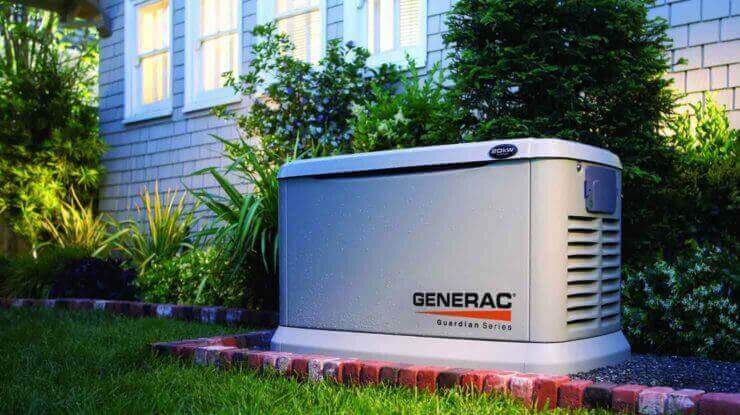
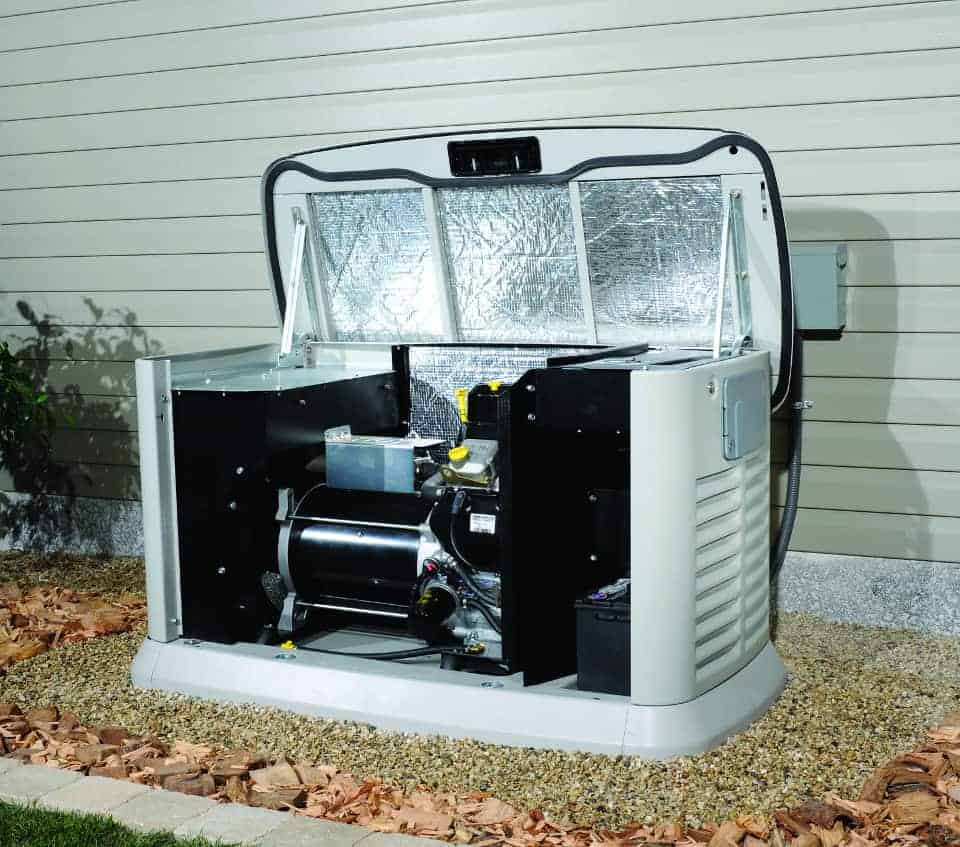
Regular maintenance is essential for guaranteeing peak performance and longevity of a standby generator. Owners should begin by inspecting how much oil the generator has, and full details swap out the oil and filter as recommended by the maker. Inspect the air filter often replacing it if required to ensure proper air circulation. You should also test the battery cleaning corrosion from the terminals to ensure it starts reliably.
Conduct periodic load tests to verify the generator manages its maximum load. Furthermore, ensure that no obstructions or leaks exist in the exhaust system. Maintaining a clean, debris-free generator will help prevent overheating and other issues.
Lastly, schedule professional maintenance yearly to address any potential problems and carry out detailed inspections. Adhering to these upkeep guidelines can greatly extend the lifespan of a standby generator, giving you confidence when the power goes out.
Common Questions
What is the Average Cost of Standby Generators?
Backup generators usually range between $2,000 and $15,000, based on elements like the brand, power output, and complexity of installation. Other expenditures might cover fuel tanks, permits, and ongoing maintenance, which impacts the overall cost.
Is Self-Installation of a Standby Generator Possible?
Self-installation of a backup generator is feasible, but you must have knowledge of electrical systems and local codes. It is highly recommended employing a specialist to ensure security, adherence to regulations, and optimal functioning of the generator installation.
What Fuels Do Standby Generators Use?
Standby generators commonly run on energy sources such as natural gas, propane, diesel, or gasoline. Portland Standby Generators. The selection of energy source is usually determined by availability, cost, and specific energy needs, influencing the efficiency and performance of the generator
Are Permits Necessary for Installation?
Permits are frequently necessary for the installation of standby generators. Regulations vary by location, so it is essential for homeowners or contractors to speak to the municipal government to guarantee compliance with all relevant codes and requirements.
For What Duration Can a Standby Unit Operate Continuously?
A standby generator can run continuously for different lengths of time, typically ranging from 24 to 48 hours, contingent upon the demands and the fuel source. Consistent servicing provides optimal functioning and extended lifespan during extended operation periods.